A Case Treated by Orthodontist Dr Eugene
Can Braces Alone Correct a Class III Bite and Severe Open Bite?
Not always.
Some patients have bite problems that are caused not only by tooth position, but also by the relationship between the upper and lower jaws. In these situations, braces alone may not be sufficient to achieve a stable, functional, and aesthetic result.
For patients with significant jaw discrepancies, a combination of orthodontic treatment and orthognathic (jaw) surgery may be required to achieve the best long-term outcome.
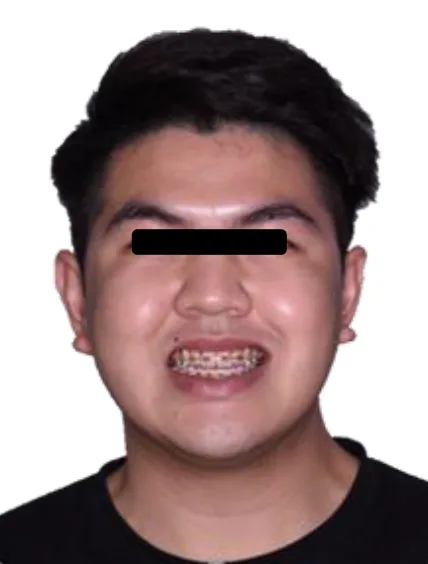
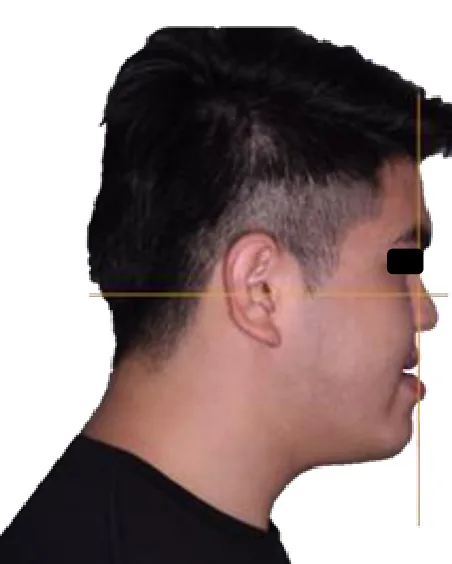
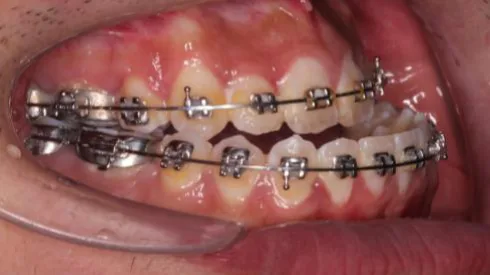
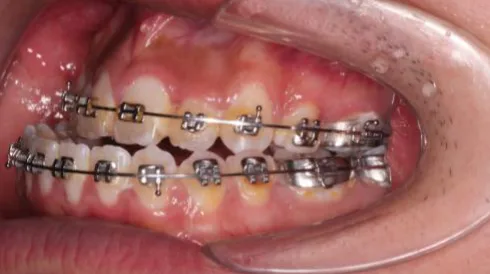
This case demonstrates the successful correction of a severe anterior open bite and skeletal Class III jaw discrepancy through a combination of orthodontic treatment and orthognathic surgery under the care of Dr Eugene.
The Challenge
Before treatment, the patient presented with:
- A significant anterior open bite, where the upper and lower front teeth did not meet.
- A skeletal Class III jaw relationship, with the lower jaw positioned relatively forward compared to the upper jaw.
- Poor contact between the front teeth.
- Difficulty achieving a stable, functional bite.
- Compromised smile aesthetics.
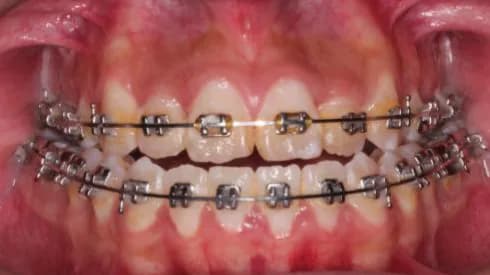
Why Was Surgery Needed?
Braces are highly effective at moving teeth, but they cannot reposition the jaw bones.
In patients with a severe skeletal discrepancy, orthodontic treatment alone may not be sufficient to achieve:
- Proper bite function.
- Stable tooth contact.
- Facial balance.
- Long-term treatment stability.
For this reason, orthognathic surgery was required to correct the underlying jaw relationship while orthodontic treatment was used to align the teeth and optimise the final occlusion.
The Treatment Process
Pre-Surgical Orthodontics
Before surgery, orthodontic treatment was carried out to:
- Align the teeth.
- Coordinate the upper and lower dental arches.
- Remove dental compensations.
- Prepare the bite for surgical correction.
Orthognathic Surgery
Once the teeth were properly positioned, corrective jaw surgery was performed to improve the relationship between the upper and lower jaws.
Post-Surgical Orthodontics
Following surgery, orthodontic treatment was completed to refine the bite, improve tooth interdigitation, and achieve a stable and functional final result.
The Result
Following treatment, the patient achieved:
- Complete correction of the anterior open bite.
- Improved skeletal Class III jaw relationship.
- Proper overlap of the upper and lower front teeth.
- Improved chewing and bite function.
- Excellent tooth alignment.
- A stable and balanced occlusion.
- Enhanced smile aesthetics.
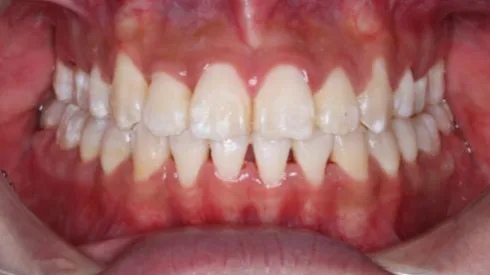
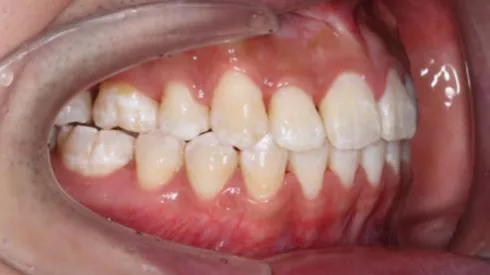
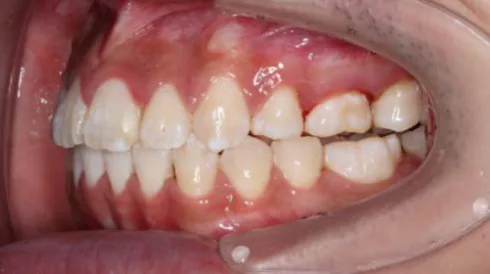
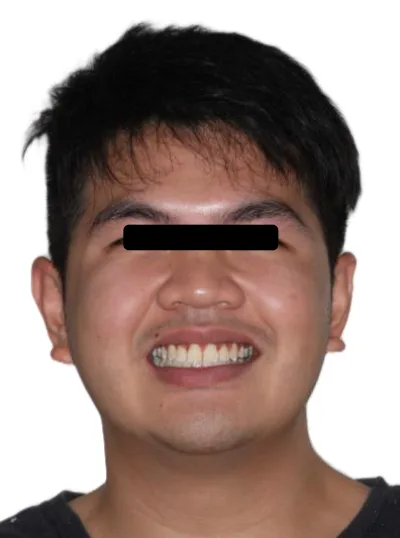
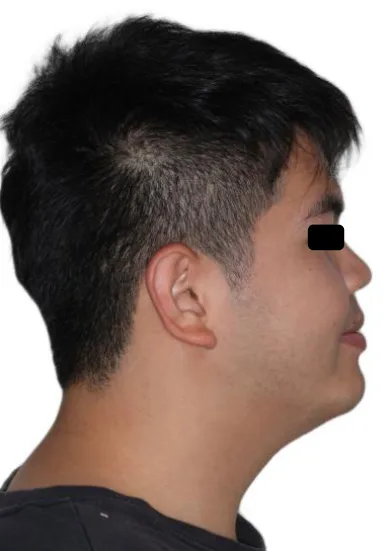
The post-treatment photographs demonstrate successful closure of the open bite, with the upper and lower front teeth now meeting appropriately. The teeth are well aligned, and a healthy, functional bite has been established. Patient identity has been protected.
How Are Orthognathic Cases Managed at JDental Specialists?
At JDental Specialists, Dr Eugene provides assessment, diagnosis, treatment planning, and orthodontic management for patients requiring orthognathic surgery.
A Team Approach: For suitable cases, we collaborate closely with the Oral and Maxillofacial Surgery team at Hospital Sultanah Aminah to provide coordinated orthodontic and surgical care, ensuring comprehensive management from diagnosis through to final bite correction.
Frequently Asked Questions
What is an anterior open bite?
An anterior open bite occurs when the upper and lower front teeth do not touch when biting together, leaving a visible gap between the front teeth.
What is a skeletal Class III relationship?
A skeletal Class III relationship occurs when the lower jaw is positioned relatively forward compared to the upper jaw. In more severe cases, corrective jaw surgery may be necessary.
Can braces alone correct a severe open bite?
Not always. When the open bite is caused primarily by an underlying jaw discrepancy rather than tooth position alone, orthognathic surgery may be required to achieve the best functional and aesthetic outcome.
Will I need braces if I undergo jaw surgery?
Yes. Most orthognathic surgery patients require orthodontic treatment before and after surgery to ensure proper alignment and bite correction.
What are the benefits of orthognathic surgery?
Orthognathic surgery can improve:
- Bite function.
- Chewing efficiency.
- Facial balance.
- Smile aesthetics.
- Long-term treatment stability.
Case Highlight: This patient presented with a severe anterior open bite and skeletal Class III jaw discrepancy. Through comprehensive orthodontic treatment under the care of Dr Eugene and orthognathic surgery, the open bite was fully corrected, the jaw relationship improved, and a stable, functional, and aesthetic result was achieved.