Is surgery always necessary for an anterior open bite?
Not always.
An anterior open bite is a challenging orthodontic condition where the upper and lower front teeth do not overlap when the back teeth are in contact. Patients may experience difficulties biting into food, speech concerns, and dissatisfaction with their smile.
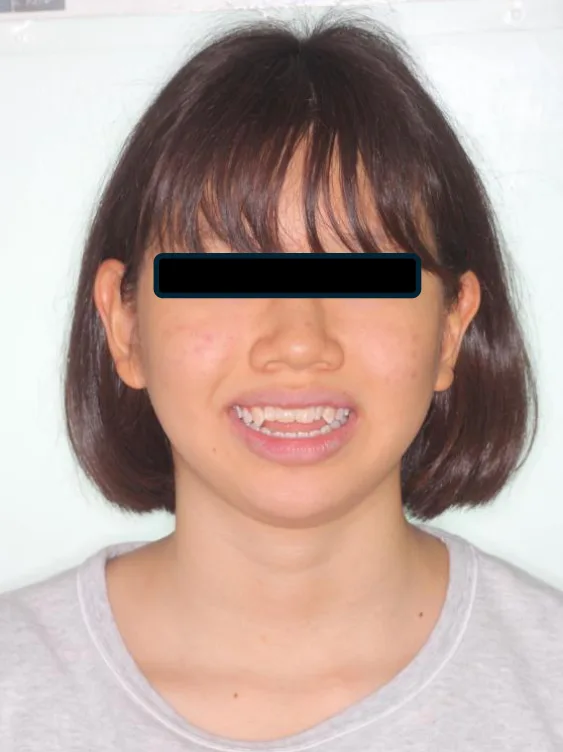
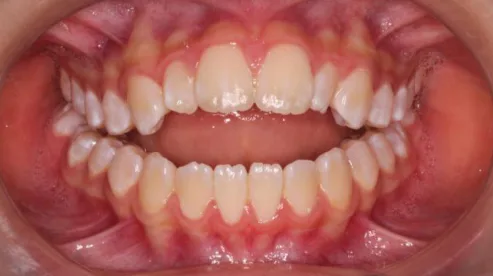
While severe skeletal open bites may require orthognathic surgery, advances in orthodontic techniques now allow selected cases to be treated successfully without surgery. This case by Dr Eugene showcases how mini-screw-assisted orthodontics can achieve excellent results with a less invasive approach.
The Challenge
At the initial examination, the patient presented with:
- Significant anterior open bite.
- Lack of contact between the upper and lower front teeth.
- Difficulty achieving proper incisal function.
- Malocclusion affecting smile aesthetics.
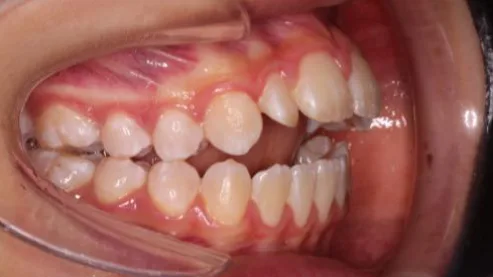
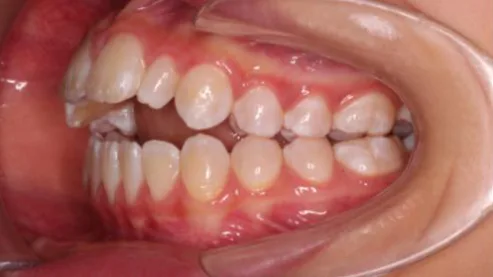
The Treatment Approach
Dr Eugene designed a treatment plan using fixed orthodontic appliances together with Temporary Anchorage Devices (TADs), commonly known as mini-screws.
Mini-screws provide stable anchorage that allows precise and controlled tooth movement, helping to:
- Intrude over-erupted posterior teeth where indicated.
- Improve bite closure.
- Enhance vertical control during treatment.
- Reduce the need for corrective jaw surgery in suitable cases.
Key Takeaway: The mini-screws are temporary, minimally invasive, and removed once their purpose has been achieved.
The Result
Following treatment:
- The anterior open bite was fully corrected.
- Normal overlap of the front teeth was established.
- Occlusion was improved with good interdigitation of the teeth.
- Smile aesthetics were enhanced.
- The treatment objectives were achieved without jaw surgery.
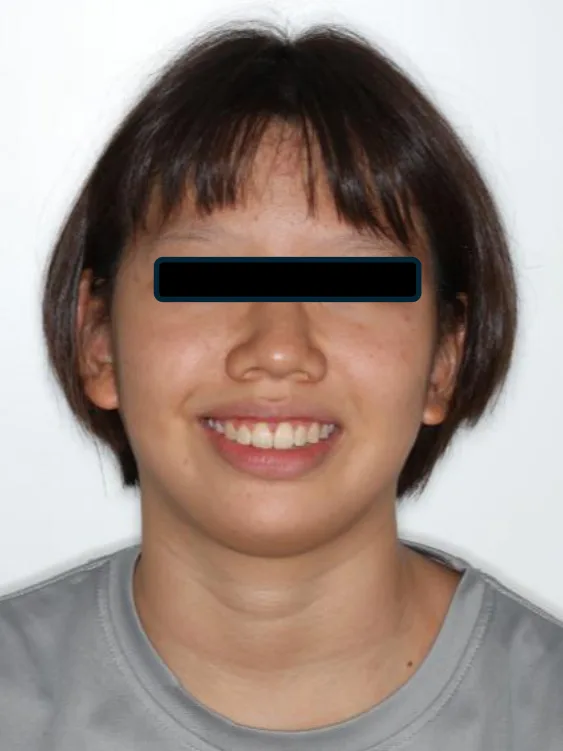
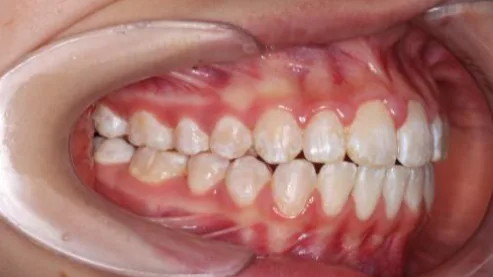
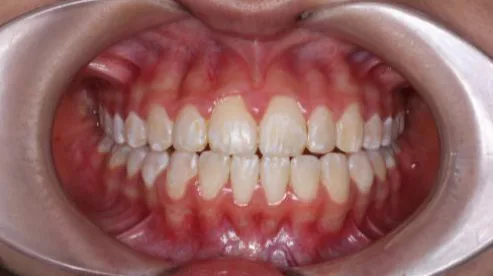
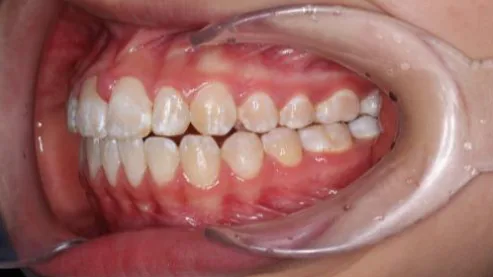
The final records demonstrate a stable and functional bite, together with a significantly improved smile and dental alignment. Patient identity has been protected.
Why Is This Case Significant?
Anterior open bite is often regarded as one of the more challenging orthodontic problems to treat because of its tendency to relapse and its frequent association with underlying skeletal discrepancies.
This case highlights how modern orthodontic techniques, including mini-screw anchorage, can provide an effective non-surgical solution for carefully selected patients.
Thinking About Open Bite Treatment?
Every open bite is unique. Whether surgery is required depends on the severity of the problem, facial proportions, jaw relationship, age, and treatment goals.
At JDental Specialists: A comprehensive orthodontic assessment with Dr Eugene can help determine the most appropriate treatment approach for your condition.
Frequently Asked Questions
Can an anterior open bite be corrected without surgery?
In selected cases, yes. Modern orthodontic treatment using mini-screws (TADs) can help correct anterior open bites without the need for jaw surgery.
What are mini-screws in orthodontics?
Mini-screws are small temporary anchorage devices placed in the bone to provide additional support for tooth movement. They allow more precise bite correction and can reduce the need for surgery in suitable cases.
What was achieved in this case?
This patient’s anterior open bite was successfully closed, resulting in improved bite function, better dental alignment, and a more aesthetic smile, all without jaw surgery.