Orthognathic (Corrective Jaw) Surgery FAQ
1. What is orthognathic (corrective jaw) surgery?
Orthognathic surgery is simply the medical term for corrective jaw surgery. While braces or aligners move your teeth, jaw surgery is used when the main issue lies in the jawbones themselves — for example, when they are misaligned or mismatched in size.
At JDental Specialists: Our orthodontist works closely with an experienced Oral & Maxillofacial Surgeon based at a government hospital. This collaboration ensures patients receive specialist orthodontic care alongside hospital-grade surgical expertise. Together, we manage complex jaw cases safely and effectively, giving patients both functional improvement and a confident smile.
Key Takeaway: Braces straighten teeth, jaw surgery corrects the bones when alignment problems are more severe — and at JDental Specialists, you benefit from a coordinated team approach.
2. When is jaw surgery necessary, and do all patients need it?
Braces alone can fix crooked teeth. However, if your upper and lower jaws didn’t grow evenly, you may need a combination of braces plus jaw surgery to achieve a comfortable bite and balanced facial profile.
Jaw surgery is usually recommended for:
- Severe underbites (lower jaw sticks out too far).
- Severe overbites or weak chin profile (lower jaw sits too far back).
- Open bites (a large gap between front top and bottom teeth when biting down).
- Difficulty chewing, swallowing or breathing (including severe obstructive sleep apnoea).
That said, not everyone requires surgery. Most mild-to-moderate jaw issues can be managed with braces or aligners alone — this is called orthodontic camouflage. During your consultation, we’ll take X-rays and 3D scans to determine whether surgery is necessary or if non-surgical options will give you the result you want.
Key Takeaway: Surgery is only recommended for significant jaw imbalances; many patients achieve excellent results with braces or aligners alone.
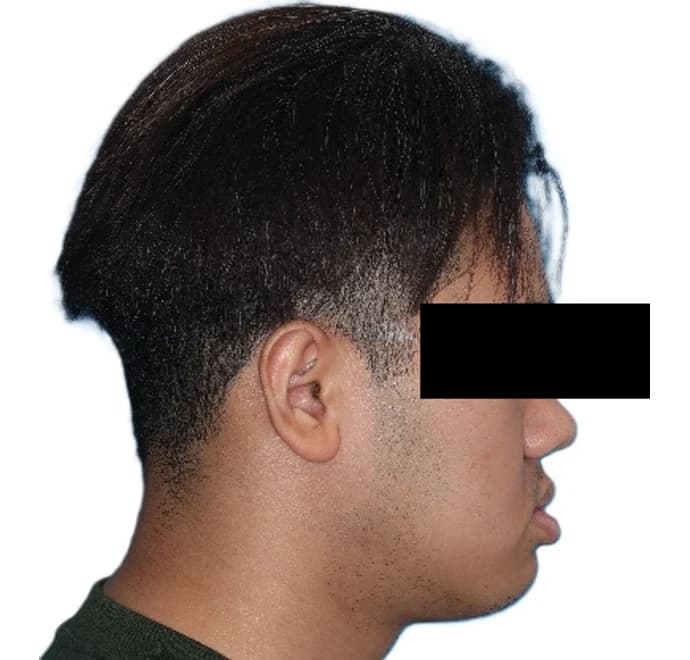
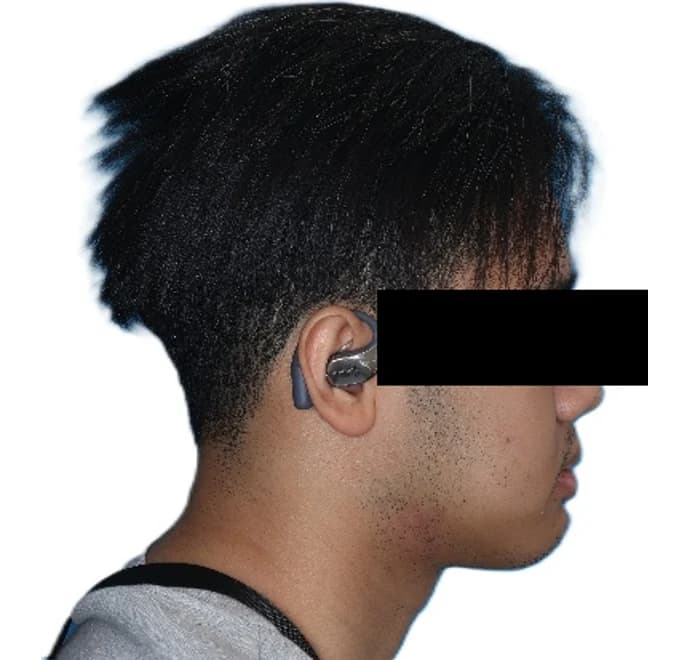
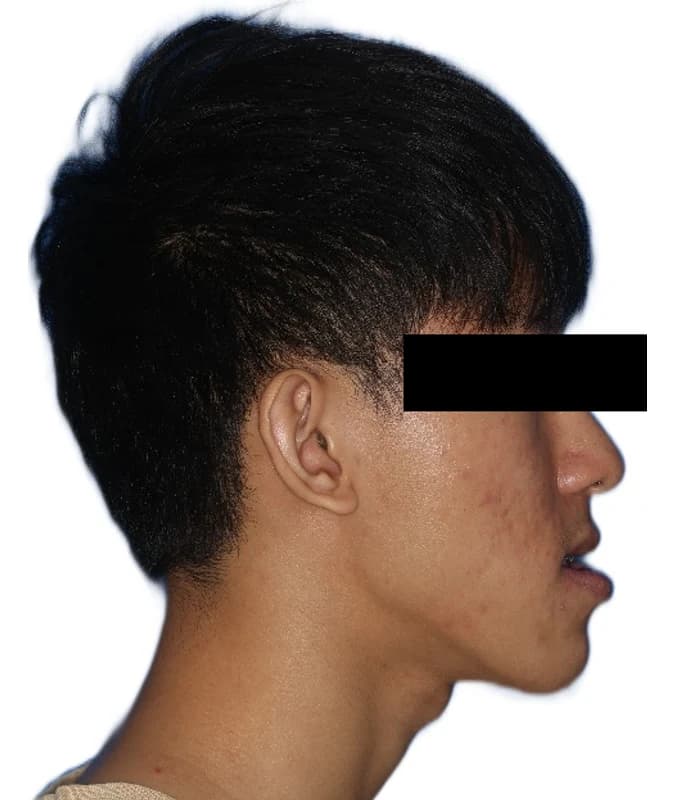
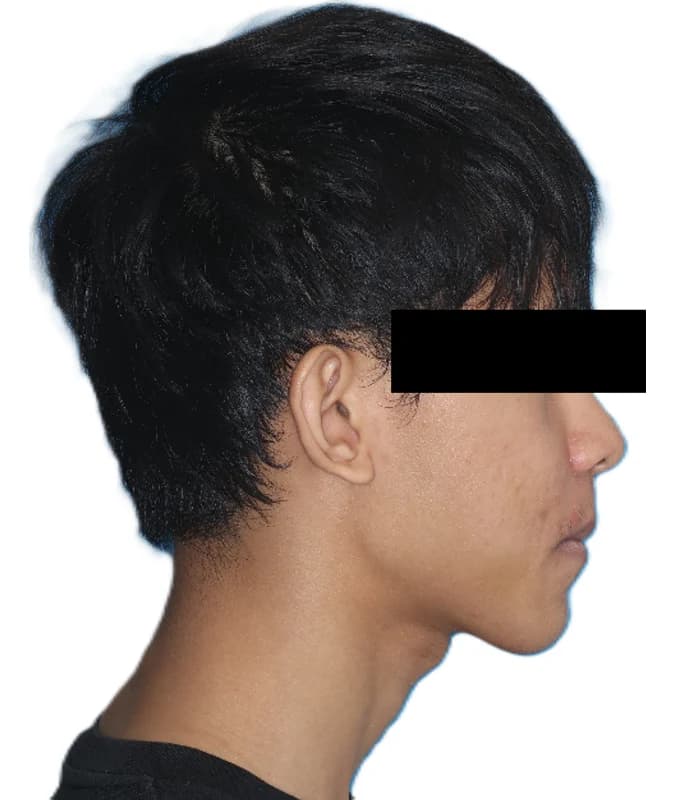
Before-and-after results of orthodontic treatment combined with orthognathic (corrective jaw) surgery. Patient identities have been protected.
3. How does the process work?
Corrective jaw surgery is a team effortbetween your orthodontist and an oral & maxillofacial surgeon.
- Pre-Surgery Orthodontics (12–18 months) — braces are used first to align your teeth within each jawbone so they will fit together properly after surgery.
- Jaw Surgery (hospital procedure) — an oral surgeon repositions your jawbone(s) under general anaesthesia. Most cuts are made inside your mouth, so there are usually no visible scars on your face.
- Post-Surgery Orthodontics (6–12 months) — once you heal, braces are used to fine-tune your bite to perfection before they are removed completely.
Key Takeaway: Surgery is carefully planned and supported by orthodontics before and after, ensuring the best long-term result.