A Multidisciplinary Orthodontic Case Treated by Dr Eugene
What happens when permanent front teeth never develop?
Some individuals are born without one or more permanent teeth, a condition known as hypodontia or congenital missing teeth. The lower incisors are among the teeth most commonly affected.
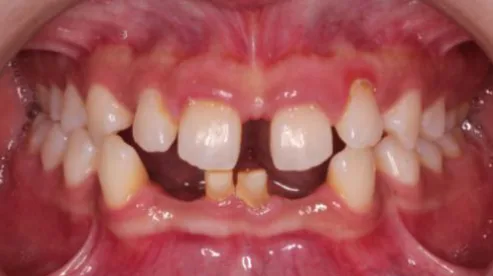
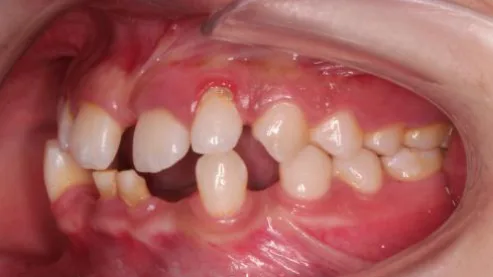
This case, treated by Dr Eugene, an Orthodontist, involved a patient who was born without both lower central incisors. The missing teeth resulted in spacing issues, bite discrepancies, and aesthetic concerns that required careful orthodontic planning before definitive tooth replacement.
The Challenge
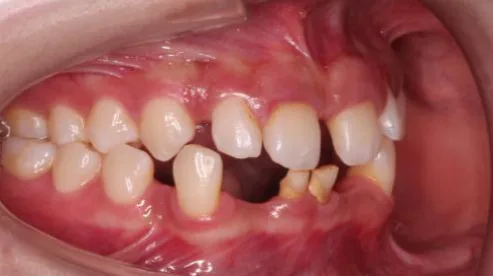
At presentation, the patient had:
- Congenitally missing lower central incisors.
- Retained primary teeth.
- Significant spacing in the lower anterior region.
- A compromised bite relationship.
- Poor alignment between the upper and lower teeth.
When permanent teeth are missing from birth, neighbouring teeth often drift into the space. This can make future implant placement difficult without prior orthodontic treatment.
Dr Eugene’s Orthodontic Treatment Plan
Rather than simply replacing the missing teeth, Dr Eugene first focused on creating the ideal foundation for long-term success.
The treatment objectives included:
- Aligning the upper and lower teeth.
- Establishing a functional bite.
- Creating precise spaces for implant placement.
- Positioning adjacent tooth roots correctly.
- Improving overall smile aesthetics.
Through comprehensive orthodontic treatment, the spaces required for the future implant restorations were carefully created and maintained.
Why Orthodontics Before Implants?
Dental implants require adequate space not only for the implant crown, but also for the implant fixture and surrounding bone and gum tissues.
Without proper orthodontic preparation, implants may result in:
- Compromised aesthetics.
- Insufficient space.
- Poor root positioning of adjacent teeth.
- Less predictable long-term outcomes.
Key Takeaway: By carefully coordinating the treatment, Dr Eugene ensured that the implant sites were ideally positioned before implant placement.
The Result
Following orthodontic treatment, dental implants were placed to replace the congenitally missing lower central incisors.
The final outcome achieved:
- Natural-looking replacement of the missing teeth.
- Excellent upper and lower tooth alignment.
- Improved bite function and stability.
- Symmetrical spacing and aesthetics.
- Preservation of adjacent natural teeth.
- A fixed, long-term solution for congenitally missing teeth.
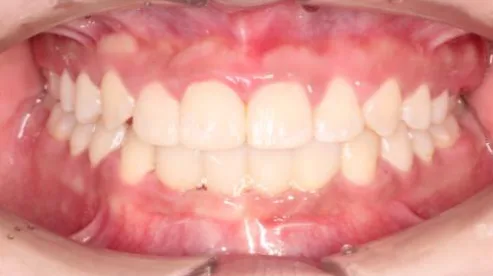
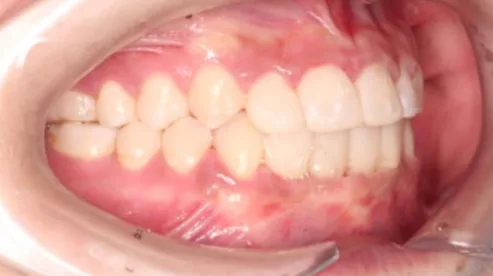
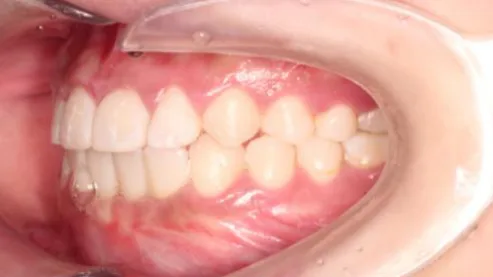
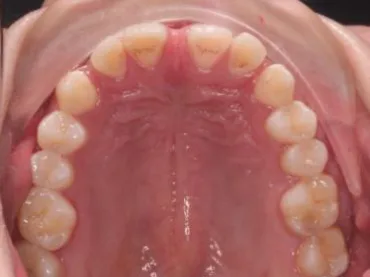
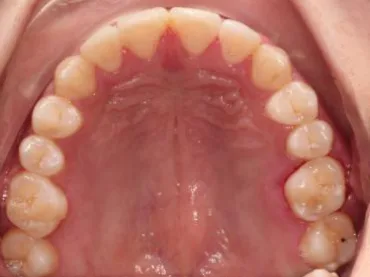
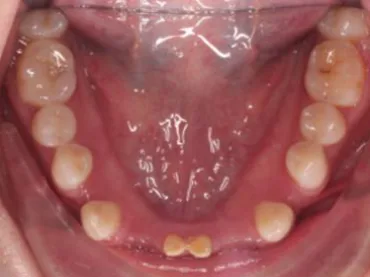
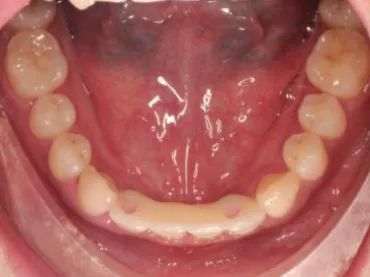
The final photographs demonstrate a well-balanced smile, healthy alignment, and implant restorations that integrate naturally with the surrounding dentition.
Why This Case Matters
Managing congenitally missing teeth requires more than simply replacing the missing teeth. Successful outcomes depend on careful diagnosis, treatment sequencing, and multidisciplinary collaboration.
This case highlights how Dr Eugene’s orthodontic treatment at JDental Specialists created the ideal conditions for implant placement, allowing the missing lower front teeth to be replaced with a functional and highly aesthetic long-term solution.
Frequently Asked Questions
Can people be born without permanent front teeth?
Yes. Some individuals are born without certain permanent teeth, a condition known as hypodontia. The lower incisors are among the teeth most commonly absent.
Why can’t implants be placed immediately?
Implants require sufficient space and proper positioning of the surrounding teeth. Orthodontic treatment is often necessary to prepare the site before implant placement.
Are implants the only option?
Not always. Depending on the patient’s bite, facial profile, and dental condition, treatment may involve orthodontic space closure or prosthetic replacement. Each case requires an individual assessment.
Why was orthodontic treatment important in this case?
Orthodontic treatment created the ideal implant spaces, aligned the teeth, improved the bite, and helped ensure the most aesthetic and functional long-term result.
Case Highlight: This patient was born without both lower central incisors. Through meticulous orthodontic treatment by Dr Eugene, ideal implant spaces were created, enabling successful replacement of the missing teeth with dental implants and the restoration of a healthy, confident smile.