Braces & Aligners — Orthodontist Insights You Can Trust
1. Getting Started
What’s the difference between a general dentist and an orthodontist?
Orthodontists are highly trained smile specialists. While all dentists graduate from dental school, orthodontists go on to complete several extra years of advanced university training dedicated entirely to moving teeth, correcting bite problems, guiding jaw growth and managing complex cases. This means they are uniquely qualified to treat everything from simple crowding to challenging bite and jaw issues, ensuring both healthy function and a confident smile.
Am I too old to get braces or clear aligners?
Not at all! Healthy teeth can be moved at almost any age. We treat teenagers, young working adults and mature adults alike.
At what age should my child see an orthodontist?
Around age 7. At this stage, children have a mix of baby and adult teeth. An early check-up helps spot jaw or space problems early, which can save time and hassle later.
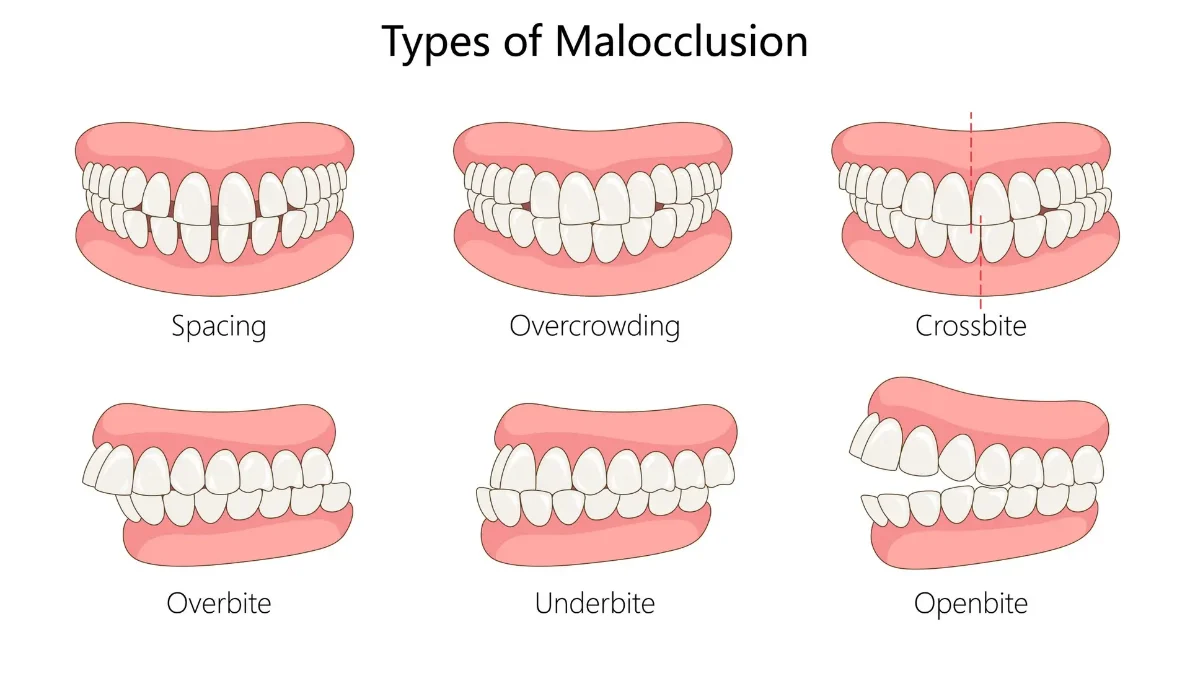
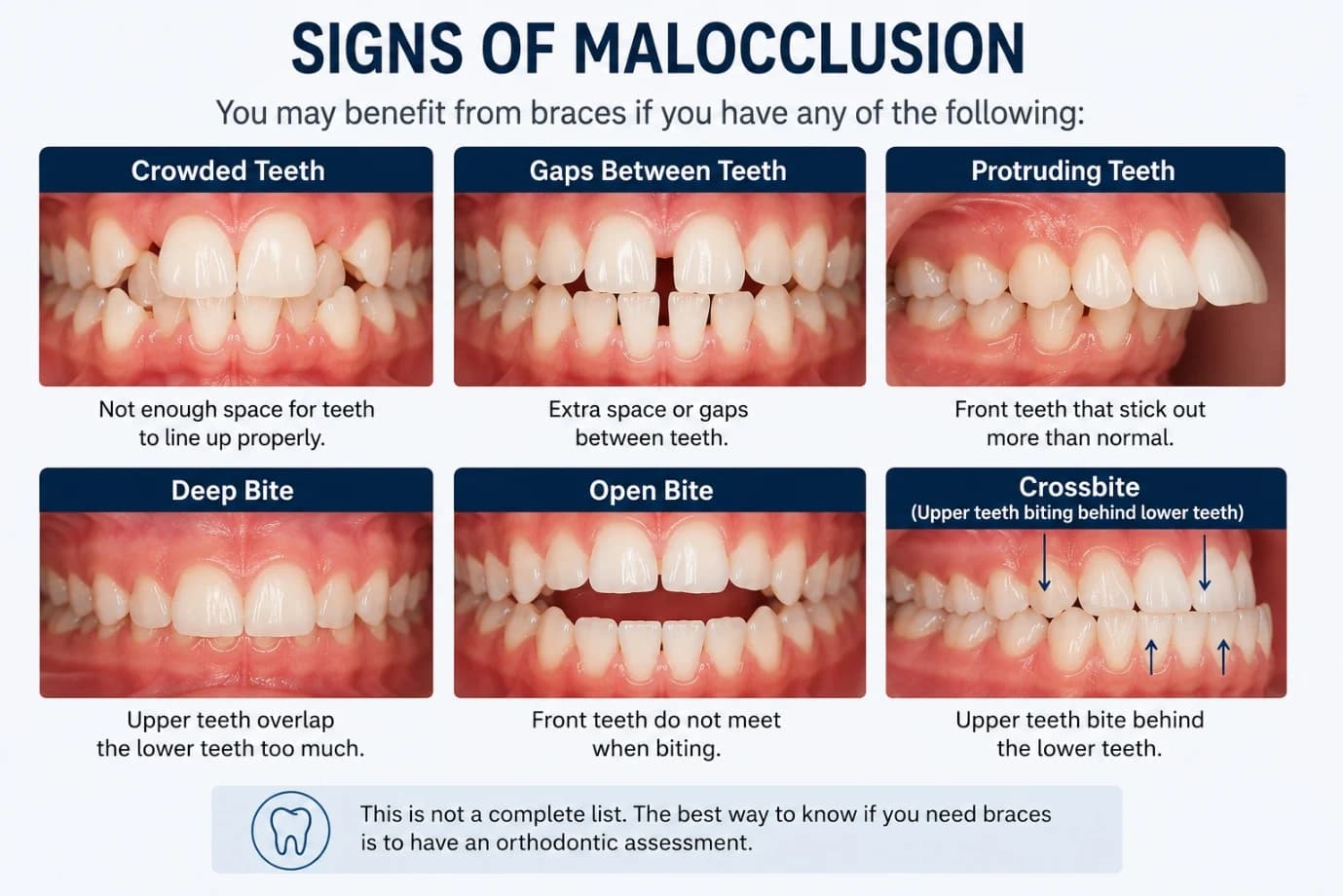
How do I know if I need braces?
You may benefit if you have:
- Crooked or crowded teeth
- Gaps between teeth
- Teeth that stick out
- Difficulty biting or chewing
- Teeth that don’t meet properly
- Jaw shifting or discomfort
The best way to know is to have an orthodontic assessment.
Do I need a referral to see an orthodontist?
No referral needed — you can book directly. Referrals from your dentist are also welcome.
Key Takeaway: Anyone can benefit from orthodontic care — children, teens and adults alike.
2. Treatment Journey, Lifestyle & Timeline
Do braces hurt?
Getting braces put on doesn’t hurt! You may feel a dull ache or tightness for 3–5 days as teeth start to move. Over-the-counter painkillers and soft foods help ease this.
Will I need extractions?
Not always. It depends on crowding and facial profile. We aim to keep natural teeth whenever possible and will explain all options before treatment.
Will braces change my face?
Braces mainly move teeth. In some patients, they can improve the smile and facial profile. Major jaw changes require growth modification (children) or jaw surgery (selected adults).
Can I still eat local favourites?
Yes, but with care:
- Hard/crunchy: cut apples, nuts or meat into small pieces.
- Sticky/chewy: avoid sticky candies or dodol — they can pull off brackets.
- Curry/sambal: spices may stain rubber bands, but we replace them at each visit.
How should I brush with braces?
Brush after every meal with a soft toothbrush and fluoride toothpaste. Clean carefully around brackets and wires, and floss or use interdental brushes.
Can braces cause tooth decay?
Braces don’t cause decay — poor brushing and sugary snacks do. Good oral hygiene prevents white marks and cavities.
How long will treatment take?
Usually 18–30 months, depending on case complexity and how well you follow instructions (like wearing rubber bands or aligners consistently).
Do I really need retainers after orthodontic treatment?
Yes — absolutely! Retainers are a vital part of your treatment plan once braces or aligners come off. Teeth have a natural “memory” and will try to shift back to their old positions over time. Wearing your retainers as instructed locks in the progress you’ve made, protecting your new smile for life.
How often are appointments?
Typically every 4–6 weeks, though this varies by treatment.
Key Takeaway: Braces fit into daily life with simple adjustments — good hygiene and consistent care keep treatment smooth.
3. First Consultation, Options & Value
What happens during my first consultation?
We will:
- Discuss your concerns and treatment goals
- Examine your teeth, bite and facial profile
- Explain if treatment is recommended
- Discuss possible options (braces or clear aligners)
- Take photos, X-rays or digital scans
- Discuss treatment planning:
- Estimated treatment duration (average 18–30 months, depending on complexity)
- Treatment details such as whether extractions are required, or if pre- or post-orthodontic surgery may be part of the plan
- Expected outcome for your smile, bite and facial profile
Braces vs clear aligners — which is right for me?
Many patients are suitable for clear aligners, but not all. Complex cases may be better treated with braces. We’ll advise after examining your teeth.
| Feature | Traditional Braces | Clear Aligners |
|---|---|---|
| Look | Metal or ceramic brackets | Nearly invisible trays |
| Convenience | Fixed in place | Removable for eating and brushing |
| Daily discipline | Careful brushing around wires | Must be worn 20–22 hours a day |
| Best for | All cases, simple to complex | Mild to complex cases with disciplined wearers |
Is orthodontic treatment worth it?
For many, it improves appearance, oral health, function and confidence. We recommend treatment only if it’s appropriate for your individual needs.
Key Takeaway: Your first consultation gives you clarity, a personalised plan, and confidence in your treatment journey.
Results
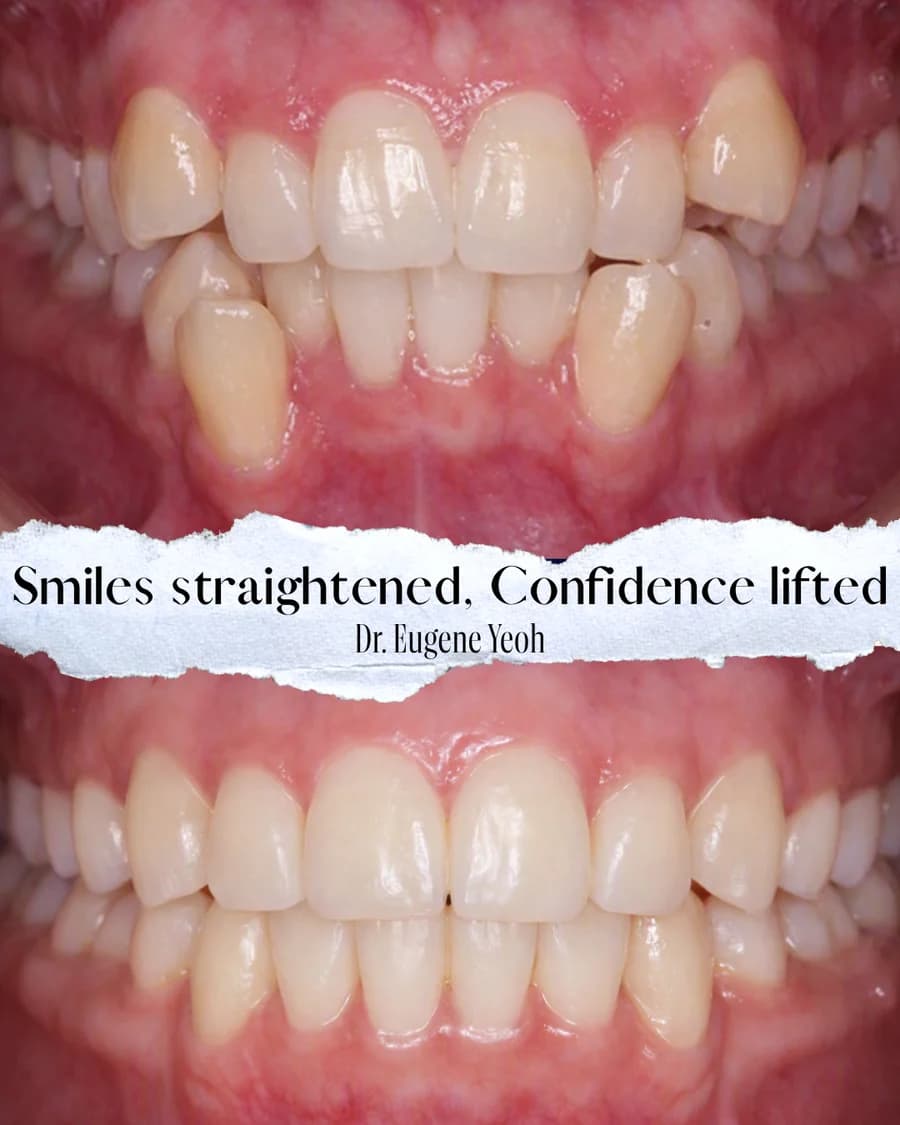
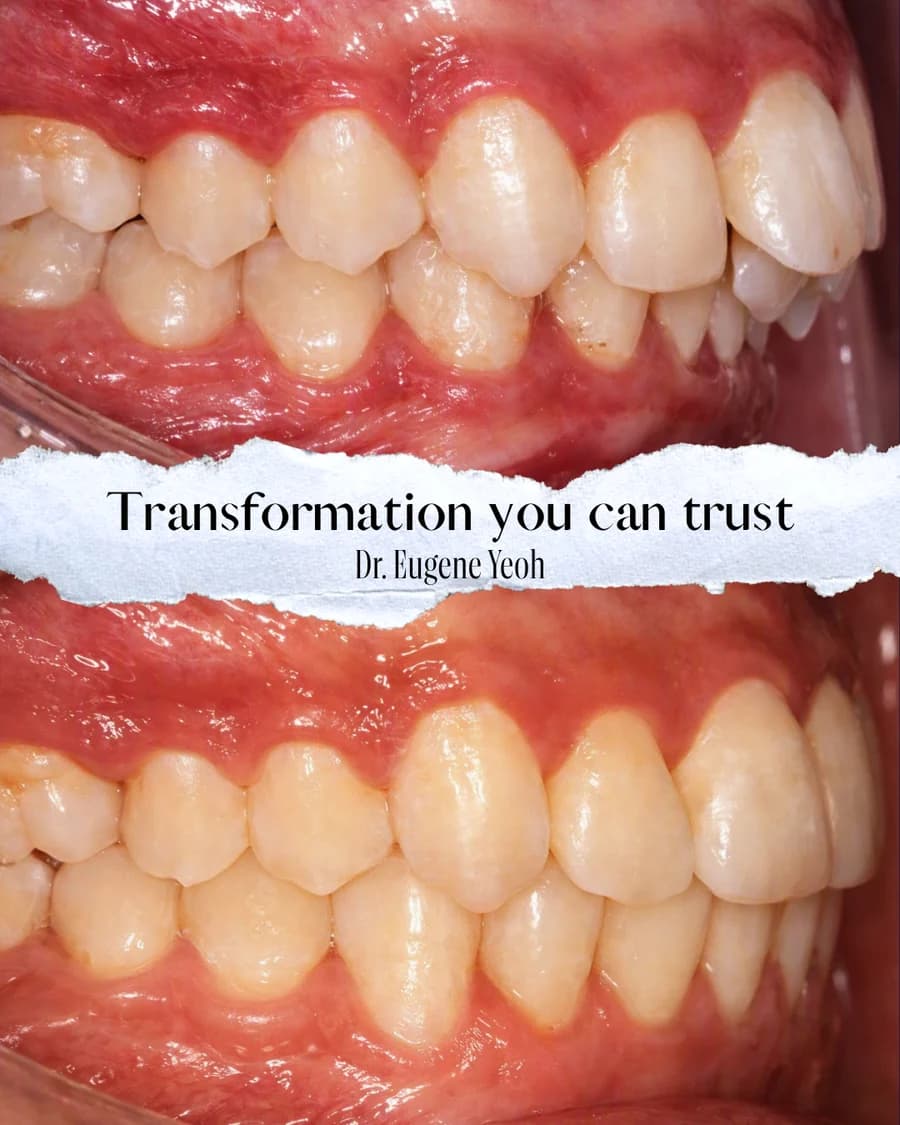
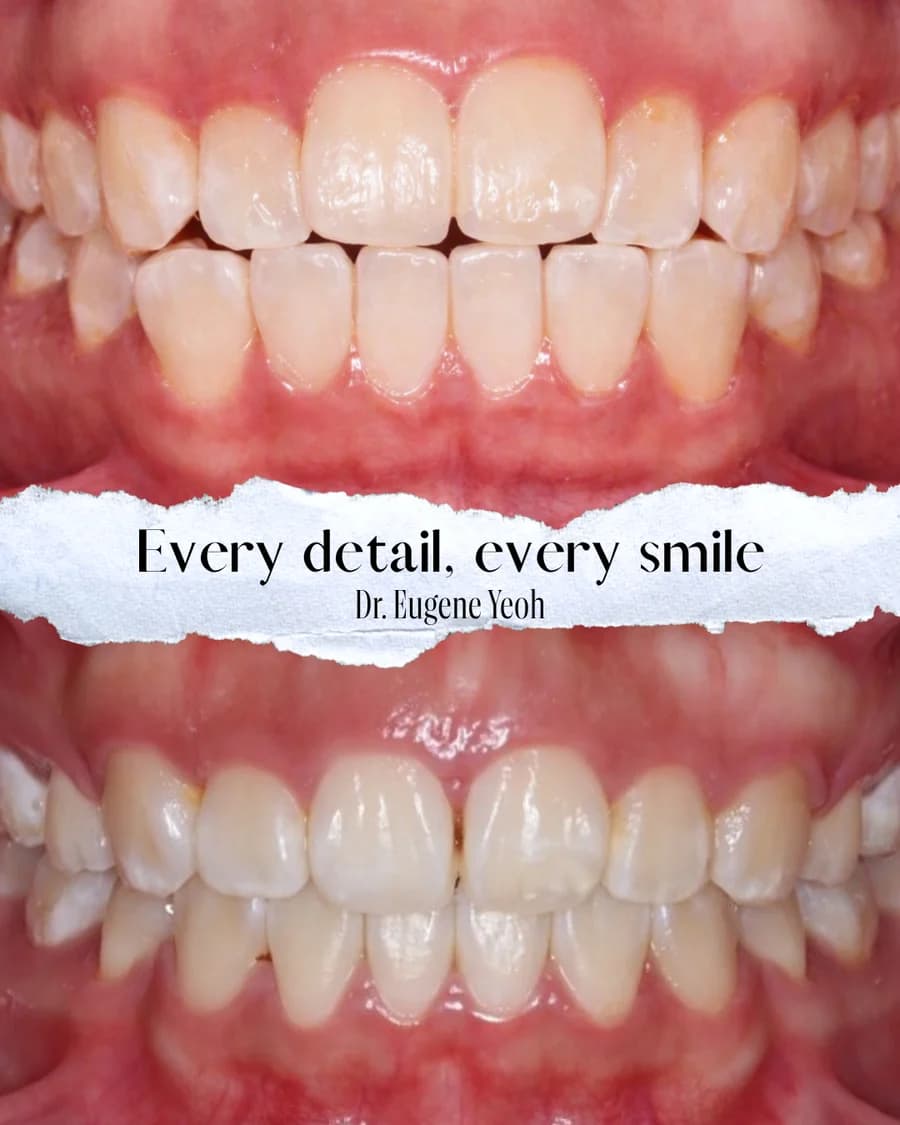
Cases treated by our specialist orthodontist, Dr. Eugene Yeoh. Individual results vary.