What Is a Class III Facemask?
A Class III facemask is an orthodontic appliance used to correct an underbite in growing children. It works by gently encouraging the upper jaw (maxilla) to grow forward while improving the relationship between the upper and lower jaws.
At JDental Specialists, Dr Eugene, Orthodontist, provides comprehensive assessment and treatment planning for children who may benefit from early Class III correction.
What Is a Class III Underbite?
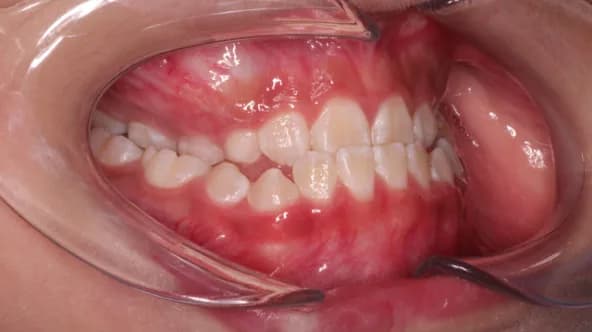
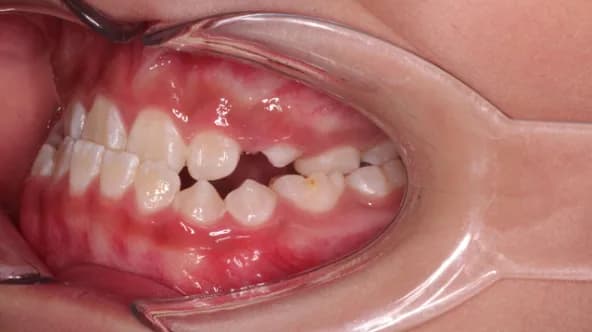
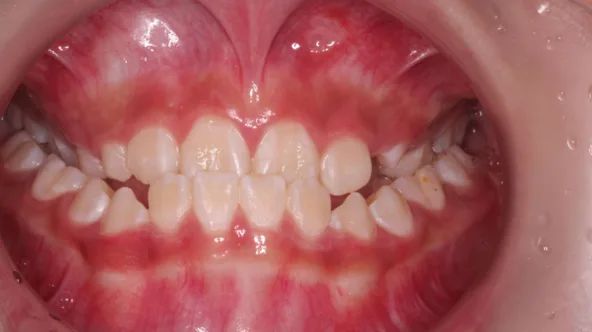
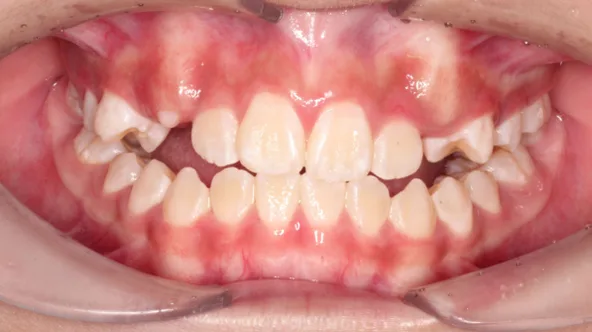
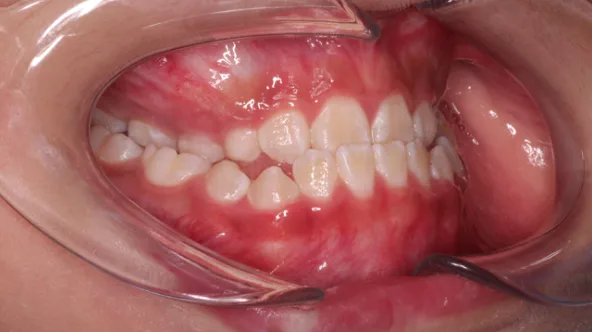
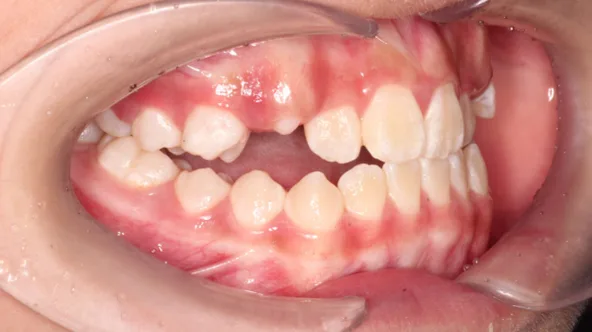
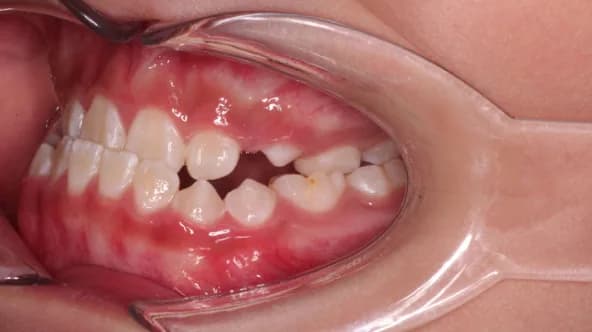
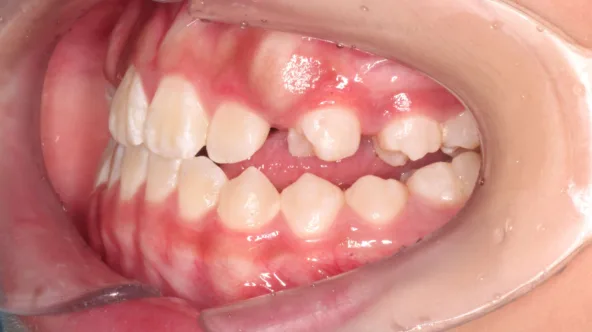
A Class III malocclusion, commonly known as an underbite, occurs when the lower teeth or jaw sit in front of the upper teeth. Signs may include:
- Lower front teeth biting in front of the upper front teeth
- A prominent lower jaw
- Difficulty biting or chewing
- Facial imbalance
- Concerns about smile aesthetics
Who Is Suitable for Facemask Treatment?
Facemask therapy is generally most effective in growing children, typically between 7 and 10 years old, before the facial bones have completed their growth.
Early treatment may help improve jaw development and reduce the severity of the underbite as the child grows.
How Does a Facemask Work?
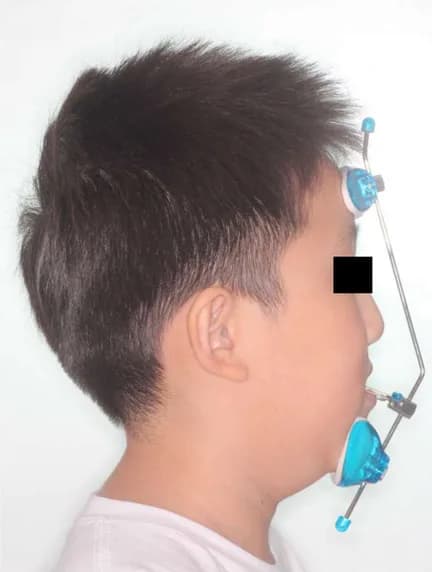
A facemask is worn outside the mouth and is connected to an orthodontic appliance inside the mouth using elastic bands.
The appliance applies gentle forward traction to the upper jaw, helping to:
- Improve upper jaw position
- Correct an underbite
- Enhance facial balance
- Create a better bite relationship
How Many Hours Per Day Should It Be Worn?
For the best results, most children are advised to wear the facemask for 12 to 14 hours per day, usually after school and during sleep.
Dr Eugene will provide specific instructions based on each child’s individual needs.
Is Facemask Treatment Painful?
Most children adapt well to facemask therapy. Mild discomfort or pressure may be experienced during the first few days, but this is usually temporary and improves as they become accustomed to the appliance.
Can Facemask Treatment Avoid Jaw Surgery?
In some growing children, early facemask treatment can significantly improve jaw relationships and reduce the severity of future skeletal discrepancies.
However, treatment outcomes depend on the individual’s growth pattern and severity of the jaw discrepancy. Some patients with severe skeletal Class III problems may still require orthognathic (jaw) surgery once growth is complete.
Why Is Early Assessment Important?
Class III problems can worsen as a child grows. Early orthodontic evaluation allows Dr Eugene to determine:
- Whether the problem involves the teeth, jaws, or both
- If facemask treatment is appropriate
- The best timing for intervention
- Whether future treatment may be required
Early diagnosis often provides more treatment options and can improve long-term outcomes.
Frequently Asked Questions
At what age should my child be assessed?
The American Association of Orthodontists recommends that children have an orthodontic evaluation by age 7. This allows early detection of developing Class III problems.
Will my child still need braces later?
Yes. Many patients who undergo facemask treatment during childhood will still require braces during their teenage years to fine-tune tooth alignment and bite correction.
Can facemask treatment work in adults?
Facemask therapy relies on active skeletal growth and is therefore generally not effective for adults. Adult Class III cases may require orthodontic treatment, orthognathic surgery, or a combination of both.
How long does facemask treatment take?
Treatment duration varies between patients but commonly ranges from 9 to 18 months, depending on growth, compliance, and treatment goals.
Concerned About Your Child’s Underbite?
If your child has an underbite or appears to have a prominent lower jaw, early assessment can make a significant difference.
Key Takeaway: Dr Eugene, Orthodontist at JDental Specialists, provides comprehensive evaluation and early interceptive treatment for growing children with Class III malocclusion, helping guide jaw development and create healthier, more balanced smiles. Book a consultation with Dr Eugene to find out whether Class III facemask treatment is suitable for your child.