What is an apicoectomy (root-end surgery)?
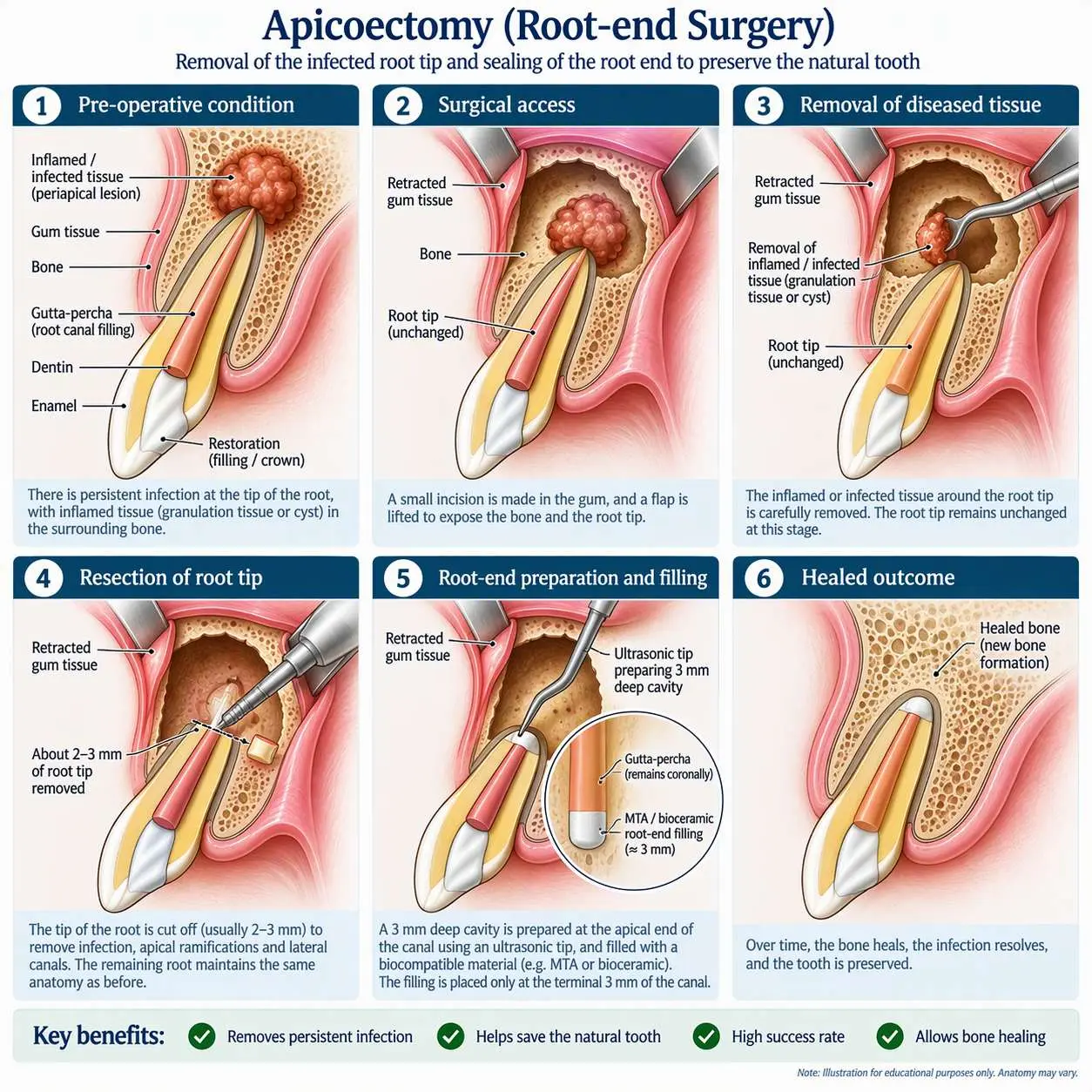
An apicoectomy, also known as root-end surgery, is a minor surgical procedure performed to save a tooth when a conventional root canal treatment has not completely resolved an infection. While root canal treatment is highly successful, some teeth may develop persistent infection or inflammation around the tip of the root (the root apex) despite previous treatment.
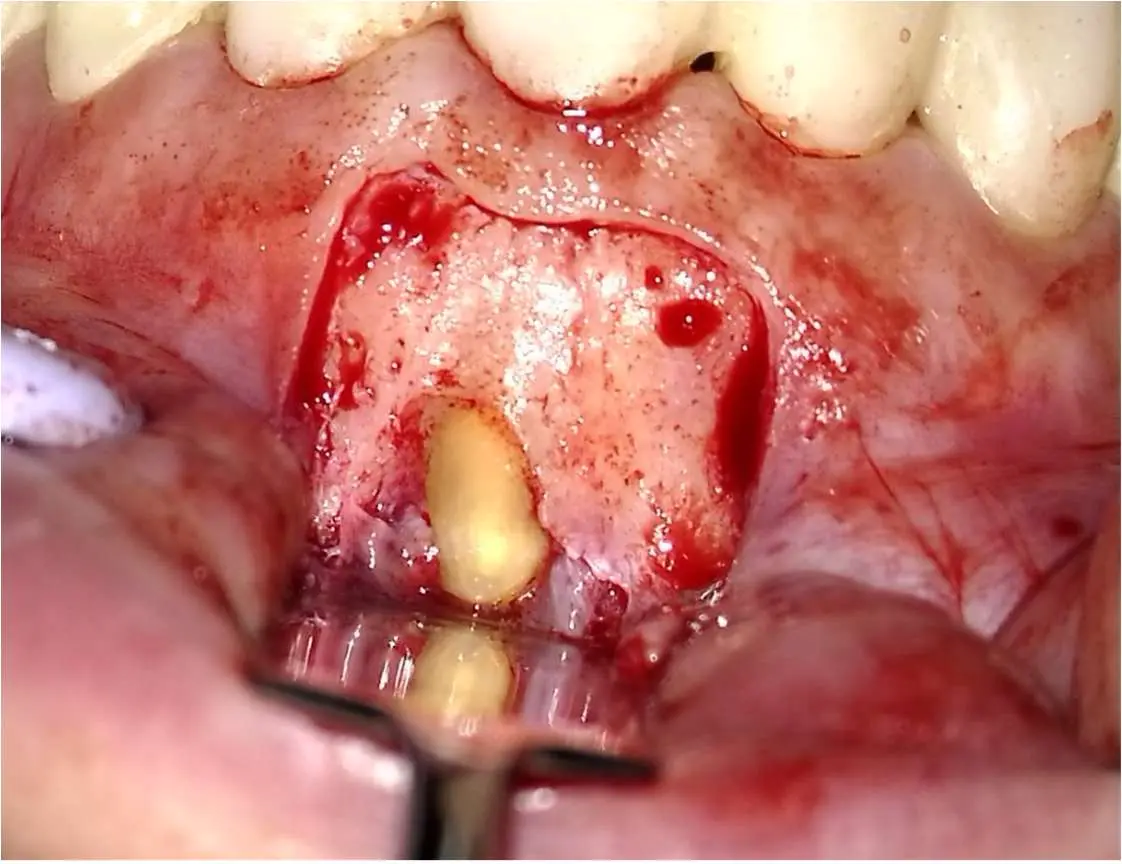
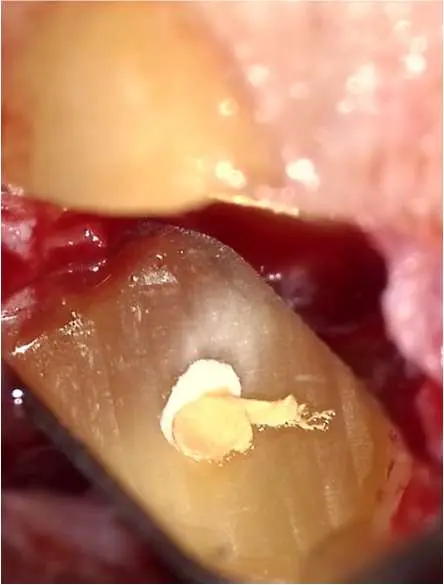
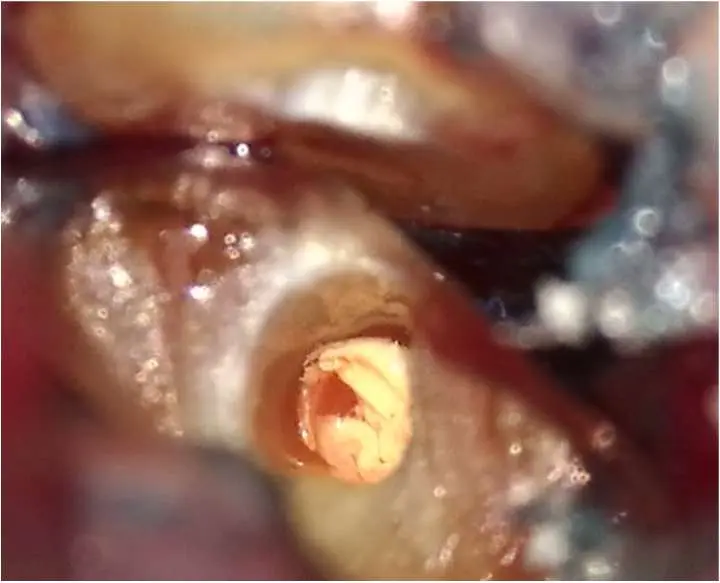
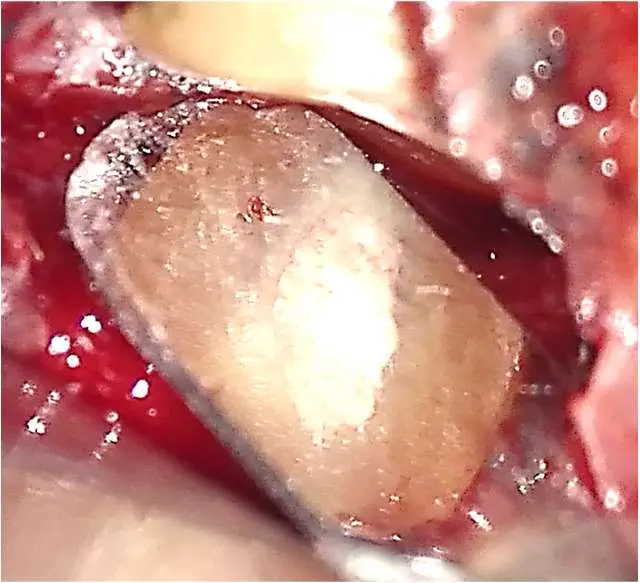
During an apicoectomy, the endodontist gently lifts the gum tissue to access the affected area, removes the infected tissue and the tip of the root, and seals the root end with a biocompatible filling material. The procedure is performed using an operating microscope, which provides enhanced magnification and illumination, allowing the endodontist to visualize tiny anatomical details and perform the surgery with greater precision. This helps eliminate the source of infection while preserving as much healthy tissue as possible.
When is an apicoectomy needed?
An apicoectomy may be recommended when:
- A previous root canal treatment has failed and retreatment is unlikely to be successful.
- Persistent infection or bone loss is present around the root tip.
- The root canal anatomy is complex and cannot be adequately treated through the crown of the tooth.
- A post, crown, or restoration makes conventional retreatment difficult.
Case 1
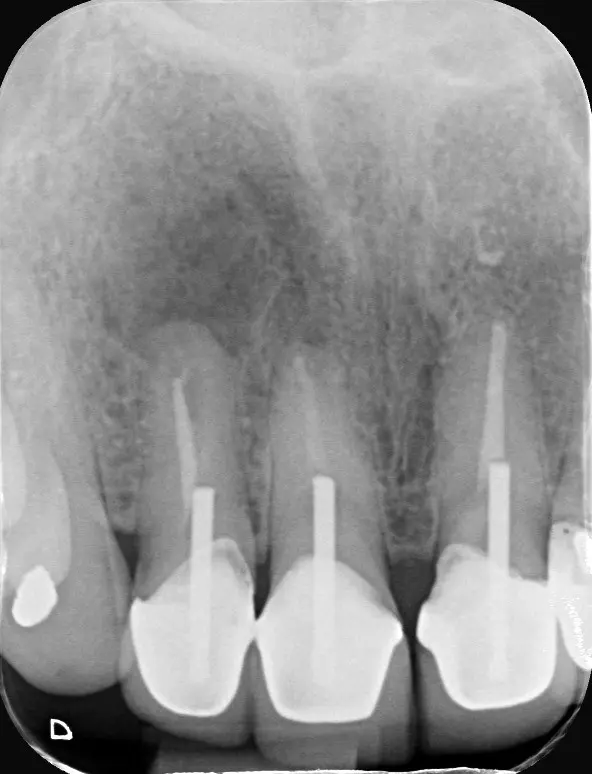
Before
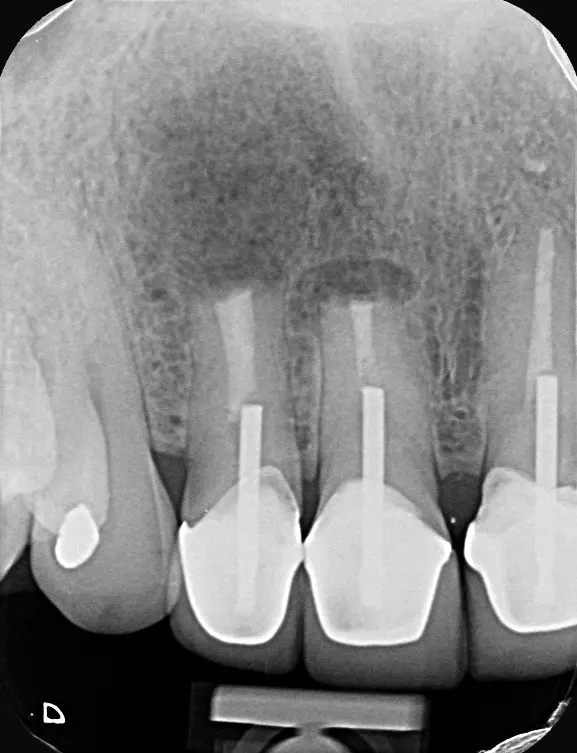
Immediately after surgery
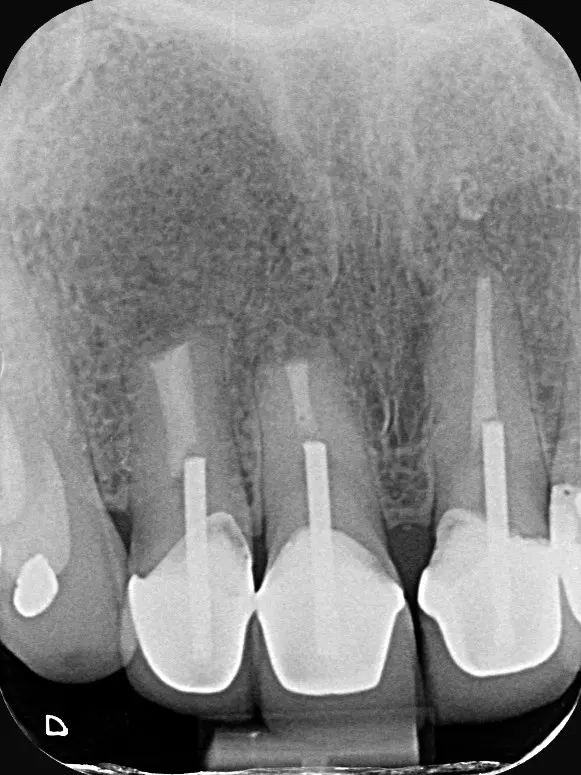
At 1-year review
Two upper front teeth had undergone root canal treatment and post-supported crown restorations many years ago. Despite treatment, the patient continued to experience recurrent swelling.
As the patient wished to preserve her existing crowns as much as possible, root-end surgery (apicoectomy) was performed instead of dismantling the restorations for retreatment.
- ✅ Resolution of recurrent swelling
- ✅ Preservation of the existing crowns
- ✅ Progressive bone regeneration in the area of previous bone loss
This case demonstrates how microsurgical endodontics can help manage persistent infection while maintaining existing restorations, allowing patients to keep their natural teeth for longer.
Case 2
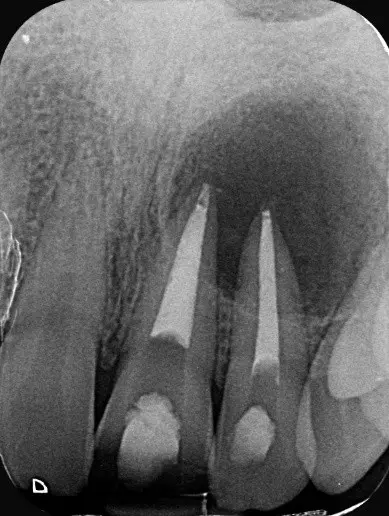
Before surgery
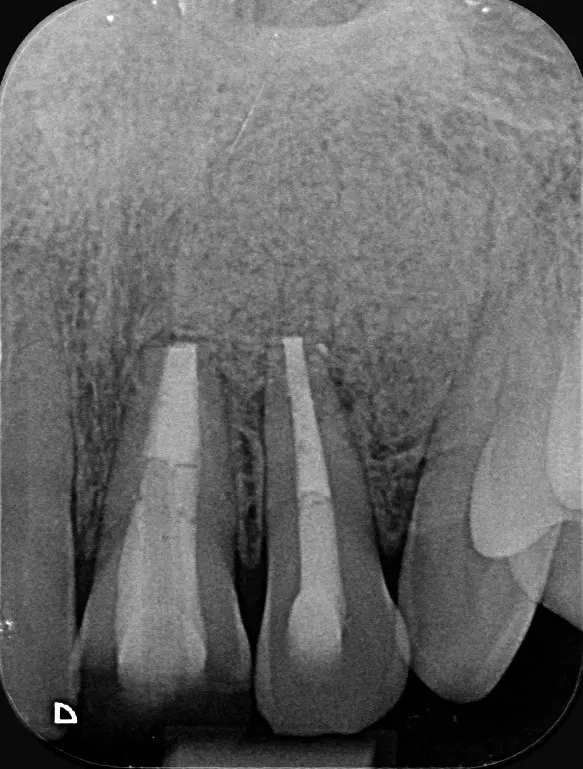
1 year after surgery
These two upper anterior teeth were associated with a large periapical lesion and failed to heal following previous root canal treatment. A radicular cyst was suspected and surgically enucleated, followed by endodontic microsurgery (apicoectomy) to eliminate the persistent periapical pathology while preserving the natural teeth.
At follow-up, healing was uneventful with resolution of symptoms and progressive bone regeneration within the previously affected area.
Case 3
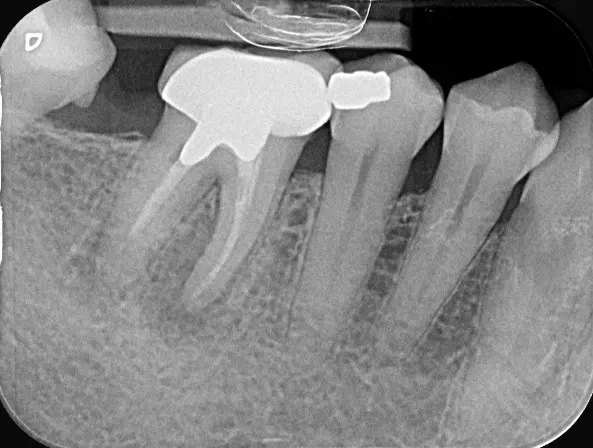
Before
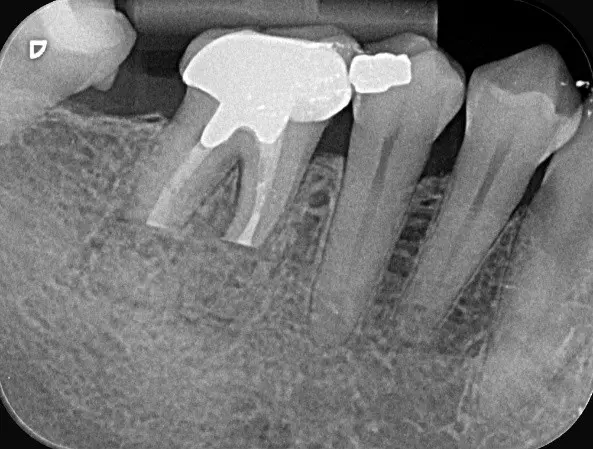
After
Root-end surgery isn't just for front teeth. It can be successfully performed on back teeth too.
This lower right molar had previously undergone root canal treatment and was restored with a cast post. When persistent infection developed around both roots, treatment options were carefully considered. To preserve the existing restoration and avoid the risks associated with removing the cast post, endodontic microsurgery (apicoectomy) was performed on both roots of the tooth.
- 🔬 Apicoectomy involving both roots of a lower molar
- 🦷 Existing restoration preserved
- ✅ Infection eliminated
- ✅ Tooth retained
Molar apicoectomy can be technically challenging due to limited access and proximity to important anatomical structures. With careful planning and microsurgical techniques, however, it can be a predictable solution for preserving strategically important teeth.
Saving natural teeth is not always about starting over. Sometimes, the best approach is to treat the problem directly while preserving what is already working well.
Frequently asked questions
What are the benefits?
The main goal of an apicoectomy is to preserve your natural tooth and avoid extraction. Keeping your natural tooth helps maintain normal function, appearance, and surrounding bone structure.
What to expect after surgery
Most patients experience mild discomfort and swelling for a few days following the procedure. Recovery is usually straightforward, and most people can return to their normal activities within a day or two.
Expert endodontic care at JDental Specialists
At JDental Specialists, our endodontists provide microsurgical apicoectomy using advanced magnification and modern imaging technology to improve precision and treatment outcomes. If you have been told that your root canal has failed, an apicoectomy may be a predictable option to help save your natural tooth.
Key Takeaway: Book a consultation today to find out whether apicoectomy is the right solution for your tooth.