Receding Gums Explained
1. What causes gum recession (receding gums)?
Gum recession occurs when the gum tissue around a tooth gradually moves away from the tooth, exposing part of the tooth root.
Gum recession can sometimes develop gradually and may not cause pain, which is why regular dental and periodontal examinations are important.
Common causes include:
A) Gum / Periodontal disease
Inflammation and infection can cause loss of the supporting tissues around the teeth.
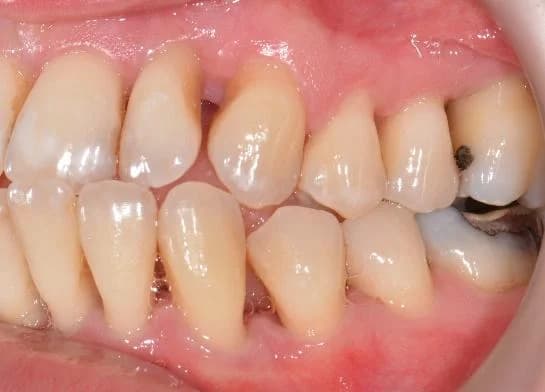
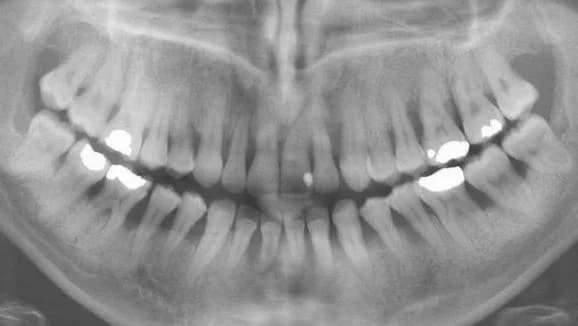
Periodontal disease damages both the gum and the supporting bone.
B) Thin gum tissue
Some people naturally have thinner gums and are more prone to recession.
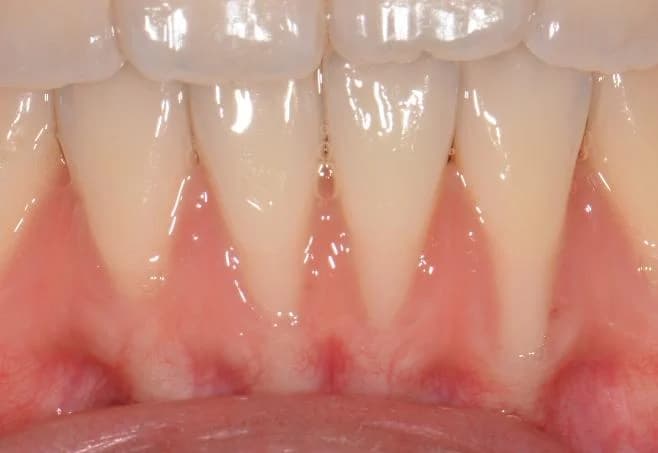
C) Aggressive tooth brushing
Brushing too hard or using an overly firm toothbrush may contribute to gum recession.
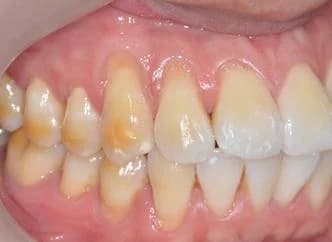
D) Tooth position
Teeth that are positioned outside the normal bone may have less gum and bone support.
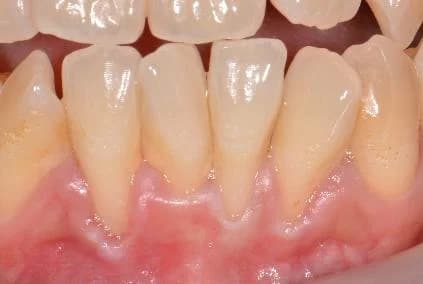
2. What happens if gum recession is left untreated?
Gum recession does not always remain stable. In some patients, existing recession may become deeper over time, and new areas of recession may develop on other teeth.
If left untreated, gum recession may lead to:
- Increased tooth sensitivity
- Higher risk of root wear and root cavities
- Further loss of gum tissue
- Changes in the appearance of your smile
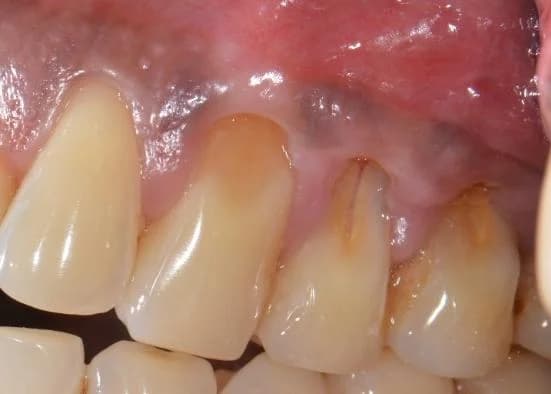
In severe cases, gum recession can continue to progress, resulting in extensive exposure of the tooth root. If the supporting gum and bone are also significantly lost, the tooth may become loose and, in advanced cases, may eventually be lost.
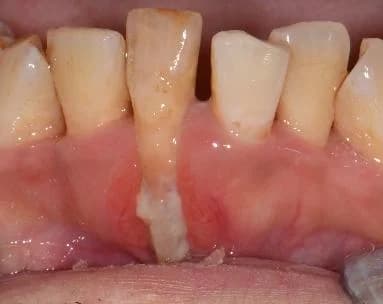
Early assessment matters: it determines whether the recession is stable or progressing, and whether treatment may be beneficial.
3. What treatments are available for gum recession?
Treatment depends on the cause, severity and location of the gum recession, as well as the condition of the surrounding gum and bone.
Depending on your individual situation, treatment may include:
A) Non-surgical treatment
For mild or stable recession, treatment may involve improving brushing technique, managing gum inflammation, treating gum disease and addressing factors that may be contributing to the recession.
B) Gum graft surgery
When additional gum tissue is required, a gum graft may be recommended. During the procedure, gum tissue is placed over or around the exposed root to increase the thickness and/or coverage of the gum.
There are different gum graft techniques, and our periodontist will recommend the most appropriate approach based on your individual condition.
The aim of treatment may include protecting the exposed root, reducing sensitivity, improving the thickness of the gum and, where appropriate, improving gum coverage and appearance.
Before & After Gum Grafting Surgery
Case 1
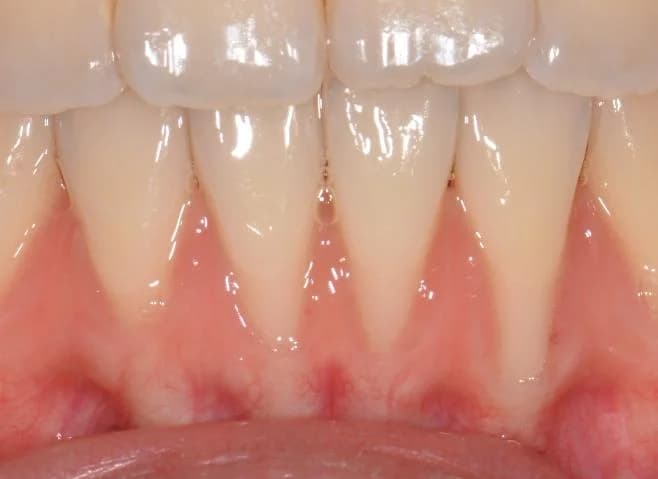
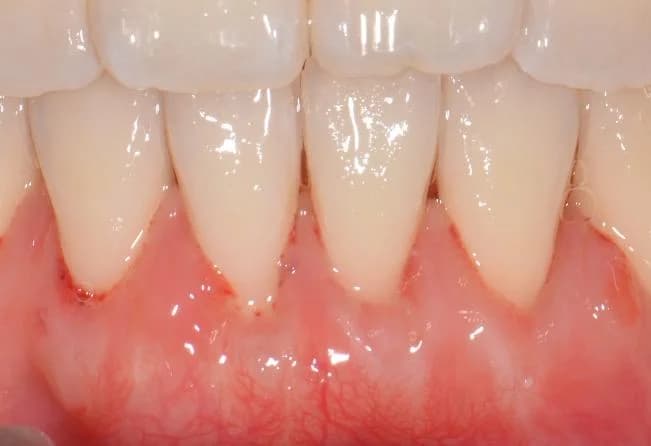
Before (left) and after (right)
Case 2
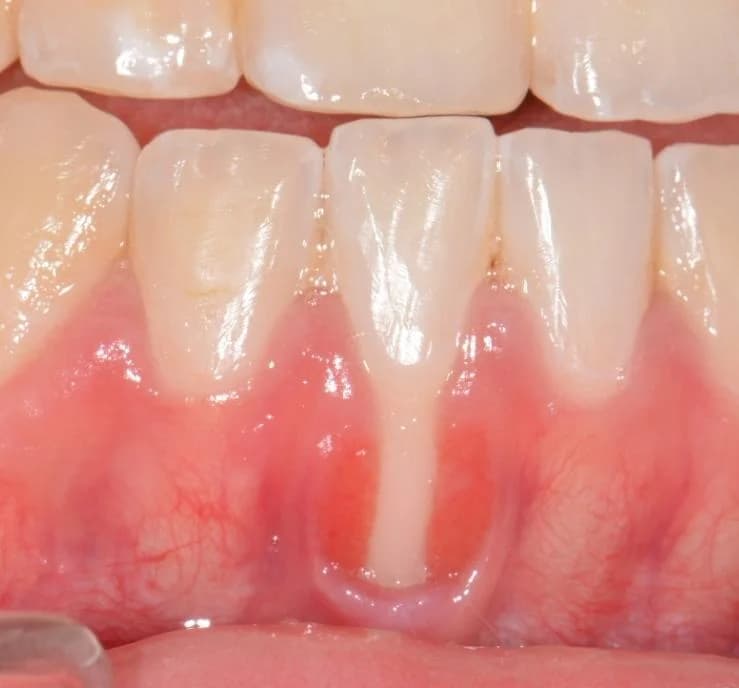
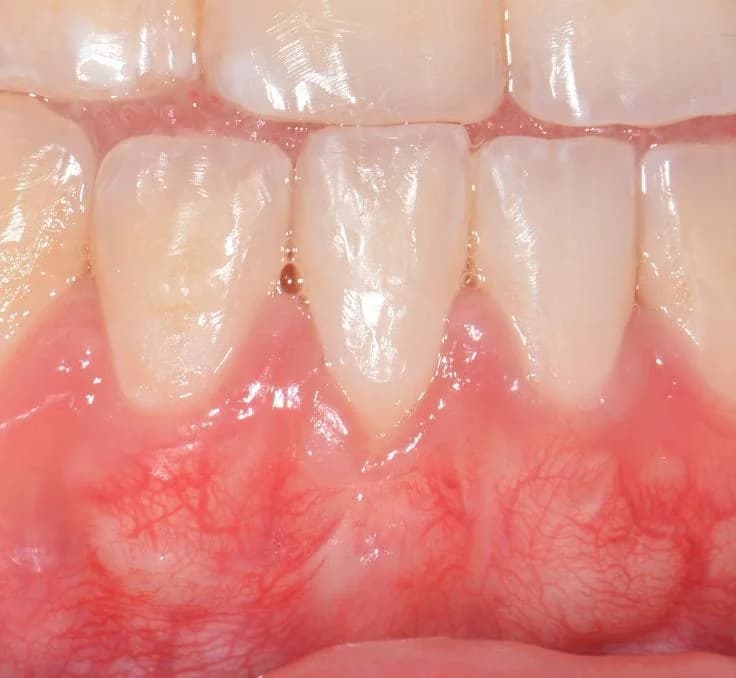
Before (left) and after (right)
Case 3
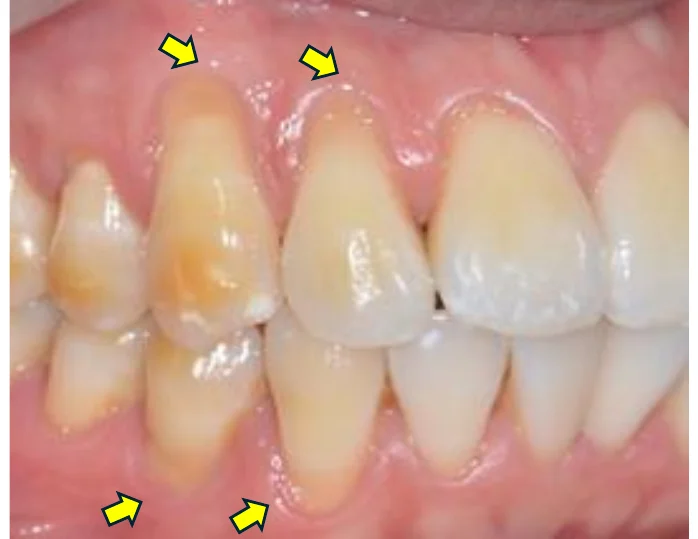
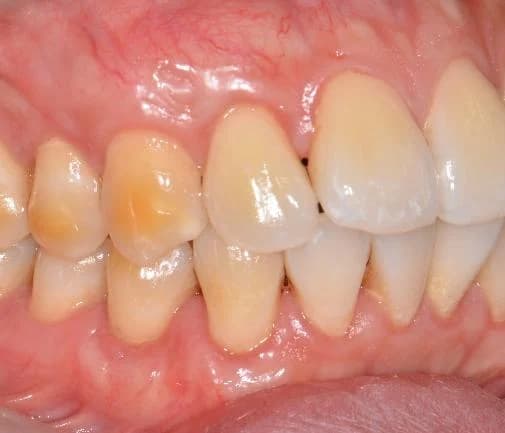
Before (left, arrows mark the recession) and after (right)
Case 4
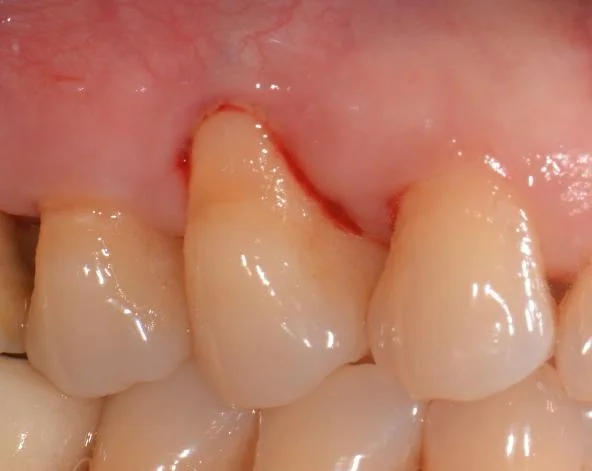
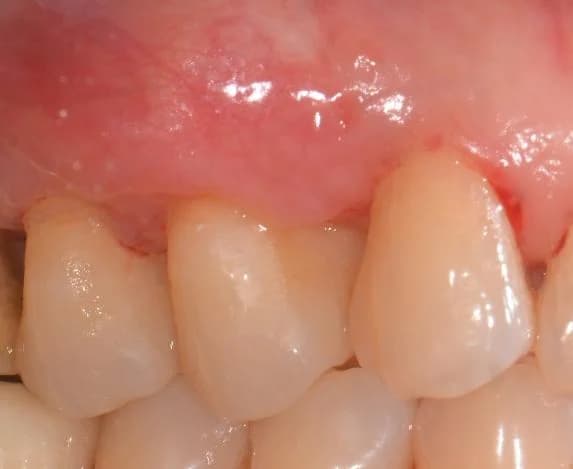
Before (left) and after (right)
*Individual results vary. Treatment outcomes depend on the patient’s condition and healing response.
4. Is gum graft surgery painful? What is the downtime?
Gum graft surgery is performed under local anaesthesia, so you should not feel pain during the procedure.
After surgery, it is normal to experience some swelling, tenderness or mild discomfort as the area heals. Our periodontist will provide specific instructions on how to care for the surgical site and recommend appropriate pain relief.
The initial healing period is usually around 1–2 weeks, although complete healing and maturation of the gum tissue takes longer.
Most patients can return to their normal daily activities relatively quickly, depending on the extent of the procedure and the individual’s recovery.
During the healing period, you may be advised to:
- Avoid brushing or disturbing the surgical area for a period recommended by our periodontist
- Follow the prescribed oral hygiene instructions
- Avoid strenuous exercise for the recommended period
- Avoid smoking, as it can interfere with healing
- Attend your scheduled follow-up appointments
Our periodontist will explain what to expect before and after surgery and provide personalised post-operative instructions.